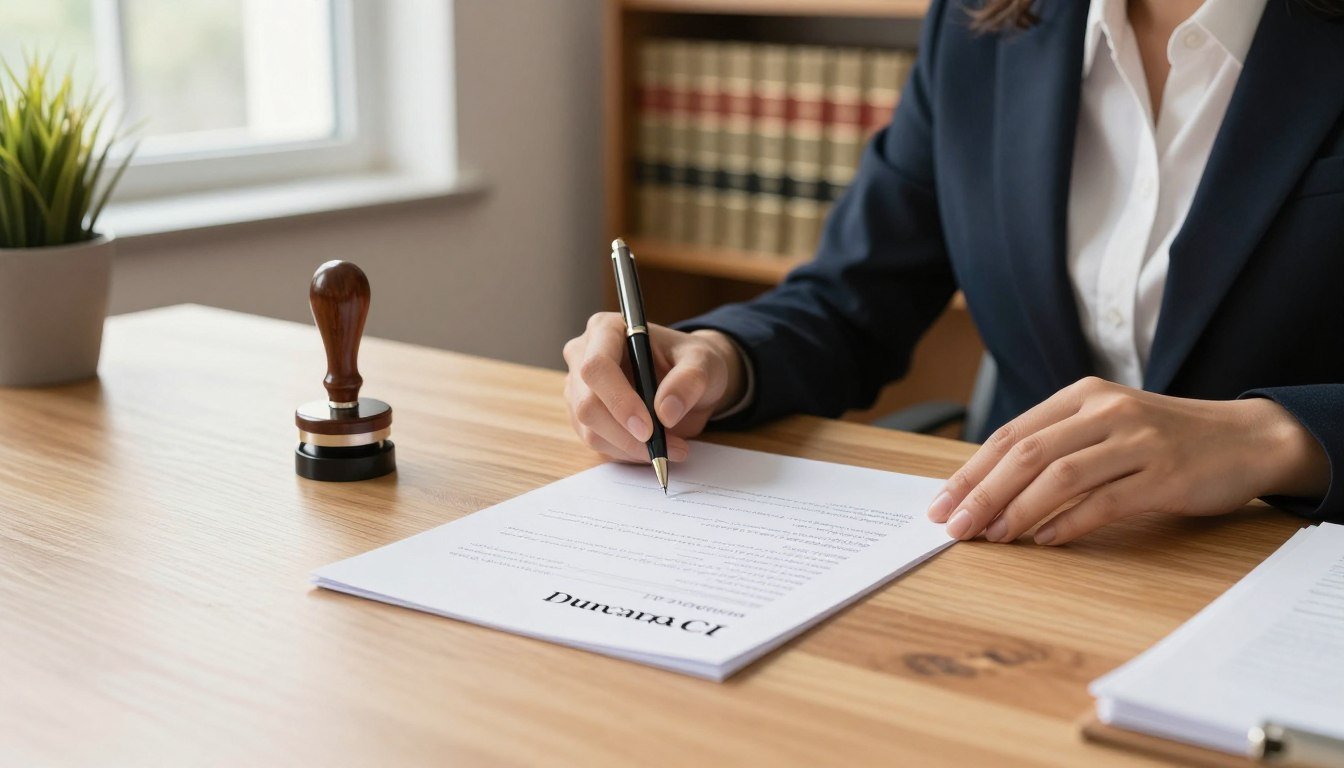
Facing the end of life choices can feel heavy and personal. Many people sit down with pen and paper to capture wishes for loved ones. That honesty matters. It also raises a clear legal question about validity under Colorado law.
In plain terms, notarization usually helps, but it is not strictly required for a holographic last testament to be valid. State execution requirements — like handwriting, signature, and witness rules — tend to matter more when a probate court reviews a document.
This article will explain how notarization and a self-proving affidavit differ, how to avoid common DIY mistakes, and what steps reduce delays for your estate. If help is wanted to get documents signed or to lower risk, call or text 3038270632 or visit 350 Terry St Ste 229, Longmont, CO 80501.
Key Takeaways
- Notarization can ease probate but is often optional under Colorado law.
- Proper handwriting, signatures, and witnesses make a will more likely to be accepted.
- A self-proving affidavit often streamlines court acceptance more than a simple notarization.
- Small DIY errors can cause delays, disputes, and extra estate costs.
- Professional help or local verification reduces risk and speeds processing.
What a handwritten will is under Colorado law
Colorado law accepts written wills whether typed or penned, as long as they meet basic execution rules. A handwritten or “holographic” testament is simply a document the testator wrote in their own script. Courts often use handwriting as one piece of evidence to confirm authenticity.
When handwriting matters — it becomes crucial if heirs dispute authorship or argue the testator lacked capacity. Clear, personal handwriting can reduce doubt and speed court review.
Even though the note is in the testator’s handwriting, it must function as a will. That means it should state final instructions about property and name beneficiaries. Missing formal requirements can leave wishes unenforceable.
Colorado generally does not recognize oral wills. Spoken promises typically give way to the state’s default distribution rules unless a written, executed document controls.
Keep statements clear and complete. The more precise the document, the less room there is for later contests by ones who disagree with the outcomes for people named in the estate.
Do I need a notary for a handwritten will in Colorado?
Short legal answer: A handwritten testament can be valid without notarization required, as long as the document meets Colorado’s execution rules.
What makes a will valid versus easy to accept
Valid status depends on handwriting, the testator’s signature, and required witness steps. Courts look first at those elements when deciding if a document counts as a final instrument.
How notarization still helps
Even though notarization is not a substitute for witness signatures, a notarized signature can support an estate plan by strengthening proof of identity and voluntariness. It can cut the time and conflict in the probate process when heirs challenge authenticity.
Practical scenarios
- When heirs allege fraud or undue influence, notarized pages help show the signer appeared and presented ID.
- A notary acknowledgment creates a clearer paper trail that judges and clerks trust during probate.
Bottom line: Meet every statutory requirement, add solid witness practice, and consider self-proving steps next to reduce delays and disputes.
Colorado legal requirements for a valid will
State rules set baseline requirements that determine whether a document will be honored in court. Follow these core points to reduce uncertainty and potential probate delays.
Age and sound mind standards
Baseline requirement: The will-maker must be at least 18 years old and of sound mind when signing.
Sound mind means the person understands the nature of their actions, the extent of their property, and who might inherit. Questions about capacity often arise later, so pick calm timing and clear wording to reduce disputes.
Written document requirements and clear “last will and testament” language
The writing should identify itself as the last testament or final wishes and clearly name the person who created it. That explicit language helps clerks and judges confirm intent.
Whether typed or penned, the document must show clear intent to distribute assets and name beneficiaries.
Signature requirements and signing in the proper presence
The will-maker must sign the document and two witnesses, each at least 18 and not named beneficiaries, must sign while in the testator’s presence. Proper presence reduces claims that signing was coerced or irregular.
Choosing an executor and identifying beneficiaries clearly
Name an executor who will file papers and meet court deadlines. Pick someone reliable and state their full name to avoid confusion.
Identify beneficiaries with full names and relationships when helpful. Clear identification of persons limits ambiguity, especially in blended families.
Witnesses in Colorado: the two-witness rule and common pitfalls
Having the right people present at signing can prevent costly delays during probate. Colorado requires two witnesses who are adults and who watch the testator sign to confirm capacity and voluntariness.
Who can serve: Any person 18 or older may act as a witness, as long as they are not named as beneficiaries. Using interested witnesses can create conflicts and may invite challenges in court.
Common mistakes to avoid:
- Only one witness signs, or people sign on different days and places.
- A beneficiary signs as a witness, opening grounds for dispute.
- Witnesses are vague about what they observed or later cannot be located.
Best practices to reduce disputes
Gather the will-maker and both witnesses in the same room. Have everyone watch the signature, then sign in sequence on the same page.
Explain each person’s role so witnesses know they are confirming capacity and voluntary action. These steps cut the chance that a court will question the process and lower estate planning risks for loved ones.
Notarization vs. self-proving affidavit: what speeds up probate
A self-proving affidavit can shorten probate by letting the court accept signatures without calling witnesses. It is a notarized form signed by the testator and the two witnesses in front of a notary public. When filed, it gives the probate court written proof of proper execution.
How this helps: The affidavit reduces the need to locate witnesses years later. That saves time when witnesses have moved, are ill, or cannot be found. Probate proceedings then focus on distributing assets, not verifying signatures.
Why notarizing the will alone isn’t the same
Notarizing the will pages creates evidence of identity but does not replace the affidavit. A separate, signed affidavit is required to make the signature self-proving.
Notary public role and deterrence
The notary public verifies identity and confirms voluntary signing. That extra formality strengthens documents presented to the court.
“An affidavit signed in front of a notary often prevents the need for in-person witness testimony during probate.”
Practical signing instructions
Coordinate one ceremony: the testator, two witnesses, and the notary complete the will, the affidavit, and acknowledgments in one session. This single-step approach reduces court delays and limits grounds for claims of fraud or undue influence.
| Action | What it proves | Effect on probate |
|---|---|---|
| Notarize will | ID verification and acknowledgment | Helps, but court may still call witnesses |
| Self-proving affidavit | Witness signatures sworn before notary | Often lets probate court accept the will without witness testimony |
| No formalities | Handwriting and signature only | Higher risk of delays and disputes in probate |
How notarization can affect the probate process in Colorado
Probate judges and clerks focus first on whether the original document was properly executed and clearly expresses final intent. This threshold review shapes the entire probate process.
What the probate court typically needs to accept a will
The probate court looks for the original paper, the testator’s signature, and two qualified witnesses who signed in the testator’s presence.
Practical steps: after a will is submitted, court staff file it, verify execution under state law, and schedule probate to oversee distribution of assets.
How notarization can support authenticity if the will is contested
Notarization can strengthen evidence by confirming identity and voluntary signing. In contested probate, that extra formality helps back claims of authenticity.
However, notarization cannot cure missing witness signatures or other core execution failures. If the document lacks required signatures, the court may still reject it.
Takeaway: when family relations are strained, adding formal steps reduces litigation risk and speeds the probate process. Good execution and clear records protect final wishes.
How to execute and file a will in Colorado after death
The moment of loss starts a legal process: locate the original document and submit it to the probate court that serves the decedent’s residence.
Where the will goes and what loved ones should expect
After death, the original will is filed with the county probate office. The probate court verifies execution and then oversees distribution of property and assets.
Tell loved ones that probate is a formal court process. Timelines depend on how organized the estate is and whether anyone contests the document.
What to bring to early probate steps
- Original will.
- Certified copies of the death certificate.
- Basic list of assets, account statements, and deeds showing property.
The court may also ask for ID for the executor, contact details for heirs and beneficiaries, and recent valuation or account statements to confirm asset totals.
Why organized instructions help
Clear written instructions and a simple estate packet reduce stress for loved ones and help the executor avoid repeated filings and delays. Keep the packet accessible so survivors can move through probate with fewer complications.
“An organized estate packet saves time and lowers conflict when the court begins administration.”
How to write a stronger DIY will that holds up in court
Clear, specific drafting makes a homemade will far more likely to survive court review. Focus on precise descriptions and simple structure so an executor can follow directions without guesswork.
Clarity in asset and property descriptions
List each asset with identifying details. Include account numbers, full addresses, and any title information for real property.
Example: name the bank, the last four digits of an account, and the exact street address for real estate. This helps the executor locate each item quickly.
Backup beneficiaries and what happens if someone predeceases you
Name alternate beneficiaries for every gift. Spell out whether an alternate takes all or only a share if the first beneficiary dies.
Explicit alternates prevent partial intestacy and cut family disputes over who inherits what.
Guardianship and family considerations for minor children
State your guardian preference clearly, but remember the court will decide based on the child’s best interests.
Include short reasons and contact info for chosen guardians to help the court and your family understand your wishes.
Reducing ambiguity with plain, specific language
Avoid vague terms like “my estate” without listing what that includes. Use simple words and separate specific gifts from the residuary estate.
“Specific, plain language prevents common contests and makes probate smoother.”
| Drafting Focus | What to include | Why it helps in court |
|---|---|---|
| Assets | Account numbers, titles, addresses | Makes items identifiable and reduces disputes |
| Beneficiaries | Full names, relationships, alternates | Prevents confusion and partial intestacy |
| Guardianship | Preferred guardian, backups, contact details | Guides court decision and supports family planning |
Practical estate planning tips: use consistent names, separate specific gifts from the residuary estate, and check that your document meets basic execution requirements. Good DIY planning is about clarity—not complex phrasing—and it protects your family and estate when matters reach court.
Storing your will safely and making it accessible
The single original document usually decides whether probate moves smoothly.
Why the original matters: The original signed paper carries legal weight in probate. Missing originals can slow the process and raise the chance of challenges from others.
Where to keep it
Practical storage options include a fireproof, waterproof home safe, secure files held by an attorney, or a bank safe deposit box. Each choice has trade-offs about access and security.
Key storage tips
- Tell the executor exactly where the original is stored so it can be produced quickly.
- Note that bank boxes may require court papers or permission after death, which can add time before family can retrieve items.
- Create a companion list of important documents—deeds, insurance, account summaries—kept separately but clearly referenced.
- Check the condition of the original periodically to make sure it remains readable and intact.
| Option | Pros | Cons |
|---|---|---|
| Home safe | Immediate access by trusted persons | Risk if safe is stolen or damaged |
| Attorney file | Professional custody and records | May incur fees; confirm retrieval steps |
| Bank safe deposit | High security | Possible access delays after death |
Final note: Good estate planning includes both secure storage and clear notice to the ones who will act. That coordination reduces delays and stress when the time comes.
Updating or revoking a will when life changes
Life changes often require revisiting estate plans to keep wishes current and clear.
When to review: Check your plan after marriage, divorce, birth of a child, relocation, or major asset purchases or sales. Also revisit after significant changes in health or household living situations.
To revoke prior documents, prepare a new will that includes clear revocation language and sign it following the same execution requirements. This replaces earlier papers and avoids confusion at probate.
Practical cautions
Physical destruction of an old will can revoke it, but do this carefully. Keep records so heirs know which paper controls.
Avoid piecemeal edits or handwritten cross-outs. Those changes often create ambiguity and invite contesting. Re-signing a new, properly executed will is the cleanest approach.
- Set regular reviews every few years or after major life events.
- Confirm beneficiaries and executors remain appropriate.
- Retain older documents for context, but remember only the most recent validly executed will governs distribution.
| Trigger | Action | Result |
|---|---|---|
| Marriage or birth | Draft new will with revocation clause | Updates beneficiaries and guardians |
| Major assets or move | Review planning and execution requirements | Reduces probate delays and confusion |
| Divorce or health change | Replace prior documents; destroy old if safe | Clarifies intent and shortens court time |
When to contact a notary or estate planning attorney in Colorado
Professional review matters most when estate details could invite disputes or delay probate.
Certain situations benefit greatly from an early call to counsel. If your family is blended, gifts are unequal, you own a business, or real property sits in multiple states, get help. An estate planning attorney can assess risk and suggest solutions like trusts that limit probate exposure.
Situations where professional planning is especially valuable
- Blended families — clarify distributions and reduce contests.
- Complex assets — businesses, multi-state real estate, or retirement accounts.
- Special needs beneficiaries — trusts can protect benefits and provide oversight.
Get notarization help: call or text 3038270632
Coordinate witness signing, a self-proving affidavit, and a notary in one session to cut probate friction. Call or text 3038270632 to schedule notarization assistance and execution support with an estate planning attorney.
Visit our office at 350 Terry St Ste 229, Longmont, CO 80501
Stop by for in-person help. The goal is a document that holds up in court and reduces stress for loved ones.
| Issue | Recommended help | Benefit |
|---|---|---|
| Blended family | attorney | Clear, enforceable gifts |
| Business or multi-state property | estate planning attorney | Reduced delays |
| Special needs beneficiary | planning attorney | Trusts and protection |
Conclusion
Short answer: Meeting execution requirements matters most; notarization helps but is not the legal cornerstone of validity. strong,
Follow clear steps: write legible instructions, sign the document, and secure two qualified witnesses. Add a self-proving affidavit to cut probate time and reduce the chance witnesses must testify later.
Notarization can still strengthen evidence if a probate contest arises. Store the original safely and tell the executor where it is kept so loved ones can find it quickly when needed.
For help with signing, notarization logistics, or execution planning, call or text 3038270632 or visit 350 Terry St Ste 229, Longmont, CO 80501.
Leave a Reply