Tag: Legal Notarization

  • Difference Between Acknowledgement and Jurat: What You Need to Know

    Difference Between Acknowledgement and Jurat: What You Need to Know

    I once watched a small business owner stand outside a county office, heart racing, because a document had been rejected for the wrong notarial certificate. That stress is real. Many people face delays or extra costs when a form needs a distinct type of notarial act.

    This short guide will define the two most common acts used in U.S. notarizations and show how choosing the right one affects acceptance of your document. You will learn what each notary action certifies, what the signer must say, and when the signature must occur.

    Whether you are a signer, a family member, or a business owner, the choice depends on the document’s purpose. Standards updated in December 2024 shape current practice for notary public work.

    For local help, call or text 3038270632 or stop by 350 Terry St Ste 229 Longmont CO 80501 for quick guidance on document readiness.

    Key Takeaways

    • Learn how each notary act verifies signature intent or sworn truth.
    • See practical steps: verbal ceremony, timing, and certification scope.
    • Find who should use which act: signers, businesses, families.
    • Avoid refusals by matching the certificate to the document’s goal.
    • Contact local notary public help at 3038270632 or visit the office for guidance.

    Why This Notarial Act Choice Matters for Your Document and Signer

    Choosing the proper notarial certificate affects whether your paperwork clears a recorder’s office or a lender. The correct notarial act helps the receiving party treat the form as valid and enforceable.

    How different notarial acts support distinct purposes

    Some documents record consent to a contract, while others record sworn statements of fact. For that reason, common notarial acts were created to match each purpose.

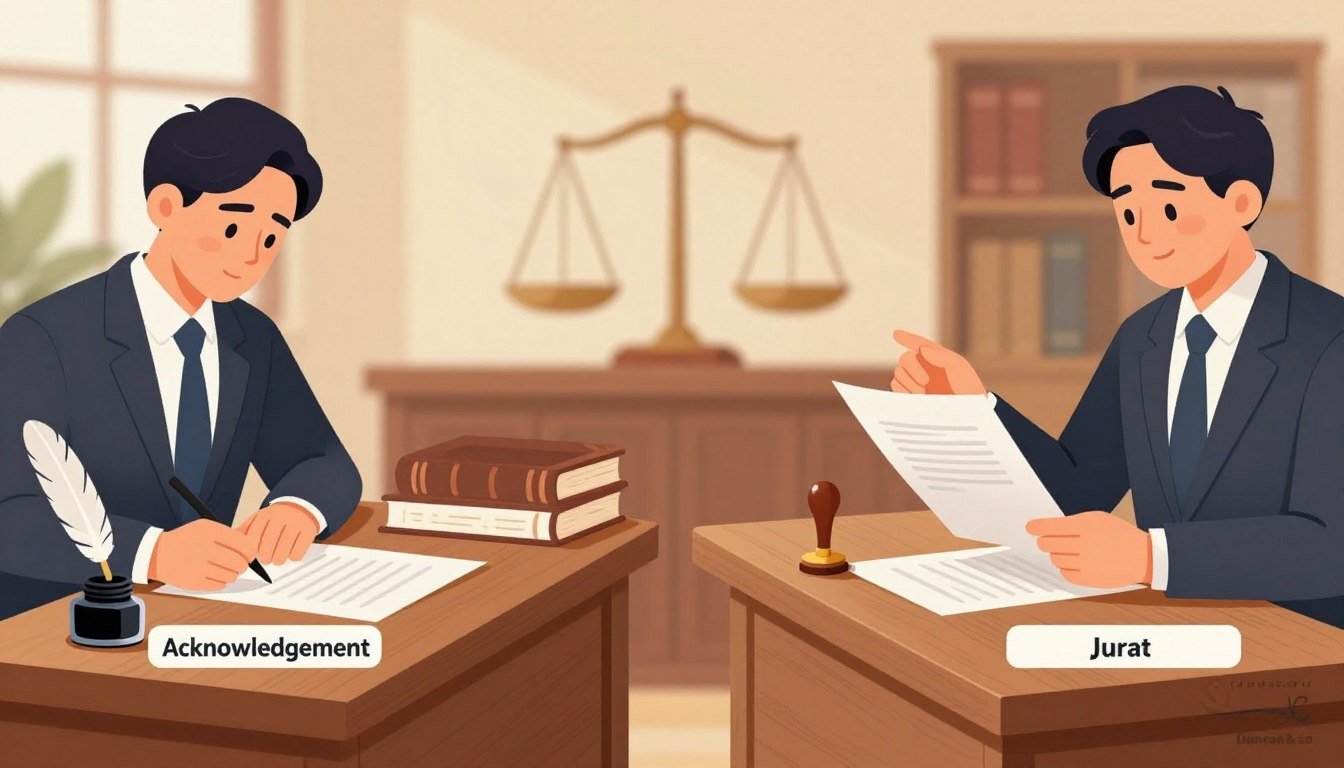
    An acknowledgment focuses on confirming the signer’s identity and willingness to sign. A jurat focuses on oath or affirmation about the truthfulness of statements in the document.

    What can go wrong if the wrong certificate is used

    Institutions such as courts, recorders, lenders, and agencies review the notary certificate. If the certificate does not match the document’s intent, they often reject the filing.

    Consequences include processing delays, re-signing, re-notarization, extra fees, and missed deadlines. Remember: the notary does not change the document content — the role is to perform the correct notarial act and complete the certificate properly.

    Quick example: a deed or contract commonly needs an acknowledgment; an affidavit or application commonly needs a jurat. For questions about which act your signer needs for a specific document, call or text 3038270632 or stop by 350 Terry St Ste 229 Longmont CO 80501 for help with notary services.

    Difference between an Acknowledgement and a Jurat

    What the notary signs off on affects whether a document proves intent or sworn truth.

    Acknowledgment defined

    An acknowledgment tells the notary public that the signer made the signature willingly and knew the document’s effects. The notary confirms identity, appearance, and the proper ceremony. The notary does not attest to the truth of the document’s content.

    Jurat defined

    A jurat is a verification on oath or affirmation. The signer swears or affirms to the notary public that the document’s contents are true. This act requires the signer to take an oath or affirmation in the notary’s presence.

    Verbal ceremony and timing

    An acknowledgment uses a confirmation statement to the notary public; it may cover a signature made before or during the appointment. A jurat requires the actual oath or affirmation and the signature must occur in the notary’s presence.

    What the notary certifies

    The notary certifies identity, proper ceremony, and that the required oath or acknowledgement took place. The notary does not verify factual accuracy unless the act specifically involves an oath. Jurats commonly appear on affidavits, court filings, and applications because they deal with sworn information.

    How to Choose the Right Notarial Certificate Without Crossing Legal Lines

    Read the paperwork first. Many forms include notarial wording that tells which certificate to use. If that wording is clear, follow it.

    Who decides: the signer, an attorney, an escrow or loan officer, or written document instructions make the call—not the notary. Letting a notary pick the certificate can look like legal advice and risk unlicensed practice of law.

    Document clues

    Look for contract language, deeds, or acceptance terms when the paper shows agreement content. Those often need a certificate for signature verification.

    If the file contains sworn statements, affidavits, court filings, or applications, it usually requires a jurat-style act that verifies statements under oath.

    Practical workflow

    1. Check the notarial wording on the document.
    2. If wording is missing, ask the signer to contact the issuer (attorney, lender, or agency).
    3. When a signed document arrives, have the person appear, state the signature is theirs, and compare the mark to ID.

    “Do not add or swap certificates unless the issuer or law allows it; follow instructions and state rules.”

    Scenario Likely certificate Action for notary
    Deed or contract Signature verification certificate Confirm issuer wording; verify signer identity
    Affidavit or court filing Oath/affirmation certificate Administer oath; witness signing in person
    Loan package with mixed papers Multiple certificate types Verify each document; follow lender instructions

    How the Notarization Process Works for Each Type of Notarial Act

    Prepare before the appointment. Bring the signing document, valid ID, and be ready to appear in person. The notary public must see the person and confirm identity before any notarial act.

    Acknowledgment workflow

    For an acknowledgment: the notary confirms the signer is the person named and that the signature was made willingly. The signer may have signed earlier or sign in the notary’s presence. The notary completes the certificate, signs, and applies the seal.

    Jurat workflow (jurat definition)

    For a jurat: the signer must appear, swear or affirm an oath, and sign in the notary’s presence. The notary records the oath affirmation, completes the jurat certificate, signs, and stamps the record.

    Seals, missing wording, and split signings

    Typical seals list Notary Public, state, name, commission number, and expiration. Never guess missing certificate wording; ask the document issuer. Split signings or adding certificates can change the intended act and cause rejection. Using the wrong certificate or stamp can invalidate the notarization and create costly delays.

    Conclusion

    Confirm the correct notarial certificate before your appointment. A quick check of the certificate block helps your document clear recorders and lenders. Remember: acknowledgment = willing signature and awareness; jurat = oath or affirmation that confirms truthfulness and must be signed in person.

    Who decides the certificate? The signer or the document issuer directs which notarial certificate to use, often via an attorney, escrow officer, or lender. The notary public verifies identity and performs the proper ceremony; the notary does not rewrite or give legal advice.

    Review certificates, confirm requirements with the receiving agency, and prevent delays. For local help with notary certificates and document readiness, call or text 3038270632 or visit 350 Terry St Ste 229 Longmont CO 80501 to move your signer and paperwork forward smoothly.

    FAQ

    What is an acknowledgment and when is it used?

    An acknowledgment is a notarial act that confirms a signer personally appeared, was identified, and acknowledged signing a document willingly. It’s commonly used for deeds, real estate transactions, and closing documents to verify the signature’s authenticity rather than the truth of the document’s content.

    What is a jurat and how does it differ in purpose?

    A jurat is a notarial act where the signer swears or affirms that the statements in the document are true. It requires the signer to personally appear, take an oath or affirmation, and sign in the notary’s presence. Jurats are typical for affidavits, sworn statements, and court filings.

    How does the verbal ceremony differ for each notarial act?

    For an acknowledgment the notary asks if the signer signed willingly and understands the document. For a jurat the notary administers an oath or affirmation, and the signer promises the truth of the contents. The jurat includes an explicit pledge of truth while the acknowledgment does not.

    When must the document be signed relative to the notary’s presence?

    For an acknowledgment the signer may have signed earlier but must appear to acknowledge the signature. For a jurat the signer must sign in the notary’s physical presence at the time of the oath or affirmation. Timing rules protect the integrity of the oath.

    What exactly does a notary certify in each act?

    In an acknowledgment the notary certifies the signer’s identity and that the signature was made voluntarily. In a jurat the notary certifies the identity of the signer, that the signer took an oath or affirmation, and that the signature was made in the notary’s presence.

    Who decides which notarial certificate to use?

    The signer, the document’s drafter, an attorney, escrow or loan officer, or the document’s instructions should specify the required certificate. The notary should follow the document’s directions and applicable state law rather than choosing based on convenience.

    How can I tell from the document which act is appropriate?

    Look for language requesting an oath, verification, sworn statement, or jurat for a jurat. Deeds, mortgages, and closing packages often request an acknowledgment. If wording is unclear, contact the document preparer or attorney for direction before notarizing.

    What should I do if the document was already signed but needs an acknowledgment?

    The signer must personally appear and acknowledge the previously made signature to the notary. The notary should verify identity, confirm voluntariness, and follow state rules for completing the acknowledgment certificate.

    What are the steps for completing an acknowledgment notarization?

    Verify the signer’s identity with acceptable ID, confirm the signer signed willingly or will sign before acknowledging, ensure the document contains the proper certificate wording, complete the notarial certificate, affix seal, and record the act in the notary journal if required.

    What are the steps for completing a jurat?

    Verify identity with acceptable ID, administer the oath or affirmation, have the signer sign in your presence (or confirm a signature executed in your presence), complete the jurat wording, affix seal, and record the act according to state law.

    What information appears on notary seals and stamps?

    Typical seals include the notary’s name, commission number, commission expiration date, the state or jurisdiction, and often the county. Some states require a round stamp; others permit rectangular embosser and ink stamp combinations.

    How should a notary handle missing or incorrect certificate wording in a signing package?

    Do not improvise wording. Contact the document preparer, lender, or attorney to obtain corrected language. If allowed by state law, some notaries may attach an addendum or certificate with proper wording, but only after confirming authorization.

    What are split signings and why can adding certificates cause problems?

    Split signings occur when different signers or documents are completed at separate times or locations. Adding certificates later can raise questions about the signer’s presence or the timing of signature, so follow strict procedures and get clear authorization before combining or adding certificates.

    What legal risks arise from using the wrong notarial certificate?

    Using the incorrect certificate can invalidate the notarization, delay closings or filings, and expose the notary or parties to liability. It may require reexecution of documents, and in some cases, create issues with lenders, courts, or public records.

    Are there best practices for notaries when choices are unclear?

    Verify signer identity, read the document instructions, contact the preparer or attorney for clarification, refuse to notarize if unsure, and keep clear journal entries. Staying within state statutes and notarial guidelines protects everyone involved.

    Can a notary add a jurat or acknowledgment after the fact if the signer already left?

    No. The signer must personally appear before the notary for both jurats and acknowledgments. Adding a certificate without the signer present violates notarial law and can invalidate the act.

    Where can I find state-specific notarial certificate wording and rules?

    State government websites, the Secretary of State office, and state notary handbooks provide required wording and procedures. Industry groups like the National Notary Association also offer guidance tailored to each state’s rules.

  • The Role of a Notary in ‘Signature by Mark’ Explained

    The Role of a Notary in ‘Signature by Mark’ Explained

    Over 32 million American adults struggle with basic literacy skills, creating significant barriers when legal documents require signatures. This reality makes alternative signing methods essential for equal access to legal processes.

    A signature mark serves as a vital accommodation for individuals who cannot write their name. This method involves making a distinctive symbol or mark instead of a traditional written signature. It ensures everyone can participate in important legal matters regardless of physical limitations or educational background.

    The notary public plays a critical function in these situations. Their presence guarantees the signer understands the document’s contents. This authentication process prevents fraud and protects individual rights.

    This accommodation carries the same legal weight as conventional signatures across most U.S. jurisdictions. It represents a fundamental right to engage with legal systems without discrimination based on ability or education level.

    Key Takeaways

    • Signature by mark provides legal access for individuals who cannot write
    • This method holds equal legal validity to traditional signatures
    • Notaries ensure proper understanding and prevent fraud
    • The process protects rights for people with physical or literacy challenges
    • This accommodation promotes inclusivity in legal documentation
    • Proper authentication maintains document integrity and legal standing

    Understanding Signature by Mark and Its Significance

    When physical limitations prevent conventional signing, the law provides an accessible alternative. This accommodation allows individuals to use a distinctive symbol instead of a written name.

    Defining a Signature by Mark

    A signature mark involves creating a simple symbol like an “X” or unique design. This method serves as a valid alternative to traditional handwriting.

    The Uniform Commercial Code and state statutes recognize this mark as legally binding. It carries the same weight as any conventional signature on important documents.

    Legal Importance and Inclusivity

    This legal accommodation protects fundamental rights for diverse circumstances. Physical disabilities, age-related limitations, and literacy challenges all qualify for this method.

    Every person deserves equal access to legal processes regardless of ability. The signature mark ensures no individual faces exclusion from civic participation.

    This practice represents society’s commitment to inclusivity. It validates every signer’s intent and agreement with transaction terms.

    How Notaries Approach the Signature by Mark Process

    Notaries employ a systematic approach when authenticating documents signed with distinctive marks. This methodical process ensures legal validity while protecting vulnerable individuals.

    Steps Involved for Witnessing a Mark

    The witnessing procedure begins with proper identification of the individual. Notaries must verify the person’s identity before proceeding with the signing.

    Next, the notary positions the document correctly and explains the process. They observe carefully as the signer makes their distinctive symbol on the designated line.

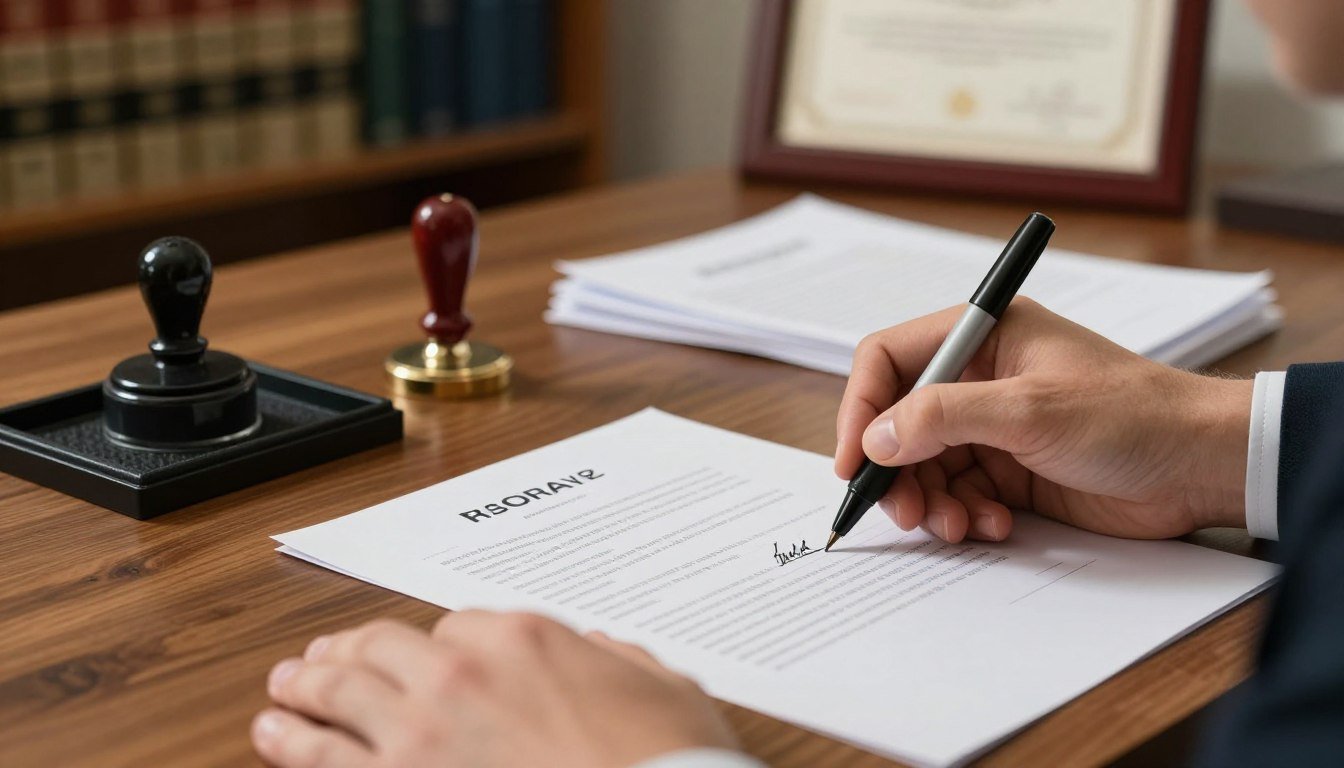
    Proper notation is critical for legal recognition. The notary prints the first name before the mark and the last name after it. Below the symbol, they write “his mark” or “her mark” to clearly identify the signer.

    notary signature mark process

    Process Element Traditional Signature Signature Mark
    Identification Required Standard verification Enhanced verification
    Notation Method Standard notary seal Name printing + mark designation
    Witness Requirements Notary only Notary + additional witnesses

    Ensuring Signer Comprehension and Consent

    Assessing mental capacity represents the most critical responsibility. Notaries must confirm the individual understands the document’s purpose and implications.

    This involves asking clear questions about key provisions. Observing the person’s responses and demeanor provides additional insight into their comprehension level.

    “The notary’s duty extends beyond witnessing to actively verifying understanding. This protective role prevents exploitation while empowering vulnerable signers.”

    When concerns about cognitive capacity arise, notaries should decline the notarization. This protects both the individual and the integrity of the legal process.

    Detailed Procedures and State Requirements

    State-specific regulations dictate precise requirements for notaries handling distinctive mark signatures. These guidelines ensure proper authentication while maintaining legal validity across jurisdictions.

    Documentation and Notary Journal Guidelines

    Proper journal entries capture essential details for each transaction. The signer’s distinctive symbol must be recorded alongside witness information.

    Florida’s process involves four systematic steps. Location data comes first, followed by the person’s details. Document information follows, with witness data completing the entry.

    Witness Requirements and Best Practices

    Florida law mandates two disinterested witnesses for mark-based signatures. These individuals cannot have financial or personal stakes in the documents.

    Best practices include having a witness write the signer’s name beside their mark. This additional step provides clarity and strengthens authentication.

    Compliance with Florida and U.S. Laws

    State laws vary significantly regarding witness requirements. While Florida requires two witnesses, other states may differ. Notaries must consult local statutes for compliance.

    Electronic journal systems now accommodate digital capture of marks and witness signatures. These tools maintain security while streamlining documentation.

    Requirement Type Florida Specifications Recommended Practice
    Witness Count Two disinterested parties Verify no financial interest
    Journal Entry Four-step process Capture mark symbol digitally
    Name Documentation Optional clarification Witness writes name by mark

    Certificate wording must explicitly describe the signature method used. This ensures proper documentation and legal standing for all parties involved.

    The Role of a Notary in “Signature by Mark”

    The verification process for symbolic signatures demands careful oversight from certified professionals. Public officials must balance accessibility with rigorous authentication standards.

    Notary’s Responsibilities in Authenticating a Mark

    Authentication begins with thorough identity confirmation. Officials examine identification documents before proceeding.

    Direct observation of the mark creation is essential. The individual must place their symbol intentionally and voluntarily.

    notary verifying signature mark

    Proper documentation captures every detail of the transaction. This includes witness information and specific notation methods.

    Verifying Cognitive Capacity and Document Understanding

    Assessing mental awareness represents the most critical duty. Professionals must confirm comprehension through direct questioning.

    Communication techniques involve reviewing key terms and purposes. Observing responses helps gauge genuine understanding.

    Red flags like confusion or coercion require immediate action. When concerns exist, officials should decline the procedure.

    “Proper authentication safeguards vulnerable individuals while maintaining legal integrity. This protective function prevents exploitation.”

    These practices ensure equal access while protecting all parties involved. The process upholds fundamental rights for every individual.

    Best Practices and Common Pitfalls for Notaries

    Professional notaries must master specific protocols when handling documents signed with distinctive symbols. Proper execution ensures legal validity while protecting vulnerable individuals.

    Maintaining Impartiality and Accurate Record Keeping

    Strict neutrality forms the foundation of proper notary practice. Officials must never serve as proxy signers or show favoritism.

    Comprehensive journal entries capture essential transaction details. Recording witness names and signing methods creates vital documentation.

    Thorough records protect both the signer and the notary public. This practice maintains integrity even when not legally mandated.

    Avoiding Conflicts of Interest

    Witness selection requires careful vetting for impartiality. Disinterested parties must have no financial or personal stakes.

    Family members often present conflict concerns. Proper notaries verify witness independence before proceeding.

    “Meticulous documentation prevents future legal challenges while ensuring dignified service for every signer.”

    Common errors include forgetting to annotate marks properly. Printing the name alongside “his/her mark” notation prevents ambiguity.

    Best Practice Common Pitfall Consequence
    Verify witness independence Allow conflicted witnesses Document invalidation
    Journal all transaction details Incomplete documentation Legal liability exposure
    Proper mark annotation Missing name notation Authentication challenges

    Additional time investment often proves necessary. Capacity assessment and witness coordination require patience.

    Efficient workflows balance accommodation with procedure. This approach maintains dignity while fulfilling all legal requirements.

    Conclusion

    Beyond procedural requirements, symbolic signatures represent a fundamental commitment to equal access under the law. This accommodation ensures every individual can participate in legal processes regardless of physical capabilities or educational background.

    Professionals serving the public must balance meticulous documentation with compassionate service. Each signer deserves dignified treatment when they make their mark on important documents. Proper execution of this process protects vulnerable individuals while maintaining legal integrity.

    Continuous education about state-specific laws remains essential for competent practice. Professionals should regularly consult updated statutes and seek training when needed. This knowledge ensures proper handling of every transaction involving alternative signing methods.

    Ultimately, these practices contribute to broader social goals of inclusion and equal participation. Every properly executed signature mark reinforces our legal system’s commitment to accessibility for all citizens.

    FAQ

    What is a signature by mark?

    A signature by mark is a legally recognized way for a person to sign a document when they are unable to write their full name. This typically involves making a simple symbol, such as an “X,” which is then properly witnessed and notarized to give it legal standing.

    Why is the notary’s role so critical in this process?

    The notary public serves as an official, impartial witness. Their primary role is to verify the identity of the signer, ensure they are signing willingly and understand the document, and to properly record the event in their notary journal. This authentication prevents fraud and upholds the document’s validity.

    Are witnesses always required for a signature by mark?

    A> Witness requirements vary by state law. Many jurisdictions, including Florida, mandate that two disinterested witnesses observe the person making their mark. These witnesses must also sign the document alongside the notary public to attest to the signing event.

    What specific details must a notary record in their journal?

    The notary journal entry should be thorough. It must include the date, the type of document, the signer’s name, a description of the mark used, and the printed names and signatures of all required witnesses. This detailed record-keeping is essential for legal compliance and creating a reliable paper trail.

    How does a notary verify a signer’s capacity and understanding?

    The notary must communicate directly with the signer to confirm they are mentally alert and aware of the document’s significance. This involves asking clear questions to assess their comprehension and ensuring they are acting of their own free will, without any pressure or coercion.

    What are common mistakes notaries should avoid?

    Key pitfalls include failing to use the required number of witnesses, providing unauthorized legal advice about the document’s content, and keeping incomplete journal entries. Notaries must remain strictly impartial and avoid any situation that could be seen as a conflict of interest.