Maybe you’re rushing to meet a deadline for travel, school, or marriage abroad — and that knot in your stomach feels all too real. I’ve helped worried applicants sort papers at the last minute, and I know clear guidance calms nerves.
Need help fast? Call or text 3038270632 for immediate guidance, or stop by 350 Terry St Ste 229, Longmont, CO 80501 to review your documents before you submit.
This intro explains what the phrase above means in practical terms: the total time it takes the office to authenticate eligible documents for international use, plus any shipping or return time. Turnaround depends on whether your papers are already eligible, how you submit them (in-person versus mail), and if return shipping is set up with tracking.
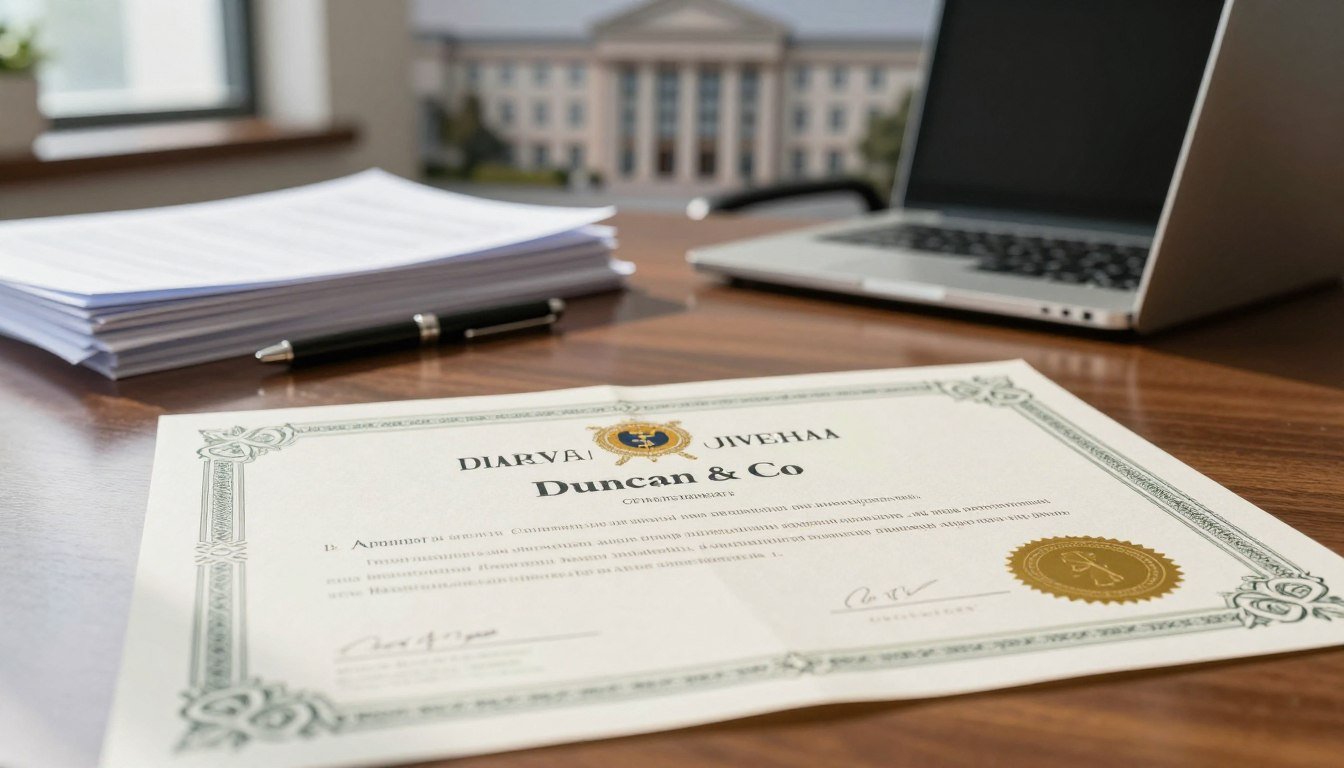
In this state, the certificate is issued as a separate, stapled page bearing the state seal and a facsimile signature. Since April 2, 2018, a combined authentication certificate format serves as an apostille for Hague countries.
This article is a step-by-step, delay-avoidance guide to help you plan visas, dual citizenship, school enrollment, marriage abroad, and business deadlines. Ahead: choosing the right document type, completing the request form, payment and submission options, realistic timing windows, and top rejection causes.
Key Takeaways
- Call or text 3038270632 or visit 350 Terry St Ste 229 for quick, in-person help.
- Processing time varies with document eligibility, submission method, and return shipping.
- The certificate appears as a stapled page with the state seal and signature facsimile.
- A combined authentication certificate now serves as an apostille for Hague countries.
- This guide shows how to avoid delays for travel, school, marriage, and business deadlines.
What a Colorado apostille is and when you need one for a foreign country
When you need proof that a document is genuine for use abroad, an apostille is the standard route. A state-issued certificate makes a local document legally recognized in countries that follow the Hague Apostille Convention.
Hague apostille convention vs. embassy certification
Which path applies to your destination
The hague apostille convention lets members accept the single certificate. Non-member countries usually ask for embassy or consular certification instead. The receiving country determines the required path, so check its rules before you submit.
Which Colorado-origin documents qualify
- Vital records: birth, marriage, death certified by the state health department or county clerk.
- Notarized papers: powers of attorney, affidavits, and other documents signed before a colorado notary public.
- Business documents: corporate filings and corporate signatures that the state can authenticate.
“The apostille is attached as a separate page; the combined authentication certificate serves this role for Hague countries.”
| Document Type | Typical Source | Use |
|---|---|---|
| Birth/Death Certificate | State health dept / County | Dual citizenship, school enrollment |
| Marriage Certificate | County clerk/recorder | Marriage abroad, name change |
| Notarized POA / Affidavit | Colorado notary | Property, legal representation |
| Business Filings | State corporate records | Cross-border corporate filings |
If you’re unsure whether your destination country needs a convention certificate or consular legalization, call or text 3038270632 or stop by 350 Terry St Ste 229, Longmont, CO 80501 for help before you submit.
How to request an apostille from the Colorado Secretary of State
Begin by confirming which document type you actually need before filling any forms. Start with a short checklist to prevent the most common delays: wrong certified copy source, incomplete notarization, or missing details on the order form.
Step-by-step checklist
- Confirm whether you need a certified copy (vital records, court judgments) or a notarized document (POA, affidavits, consent letters).
- Fill the official Apostille Request Form with full name, phone/email, document type, destination country, and number of documents.
- Match names and dates exactly across every document and the form to avoid rejects.
- Choose submission: in-person (1700 Broadway, Suite 200) for faster service; mail with check or money order payable to Colorado Secretary of State for convenience.
Fees, payment, and return shipping
In-person orders may accept credit card. Mail requests require check or money order and a prepaid, self-addressed return envelope with tracking. Confirm fees before you send to avoid hold-ups.
| Step | What to include | When to choose |
|---|---|---|
| Certified copy | Official vital record or court-certified copy | Birth, marriage, death, judgments |
| Notarized document | Notary signature and seal | POA, affidavits, consent letters |
| Return shipping | Prepaid SASE with tracking | Mail submissions |
“Match names exactly, avoid unclear handwriting, and list each document on the order form.”
If you want help completing the form or checking readiness, call or text 3038270632 or visit 350 Terry St Ste 229, Longmont, CO 80501 before you send. Third-party apostille services can also handle orders and shipping if you cannot appear in person.
Colorado Secretary of State apostille processing times 2026: what to expect
Expect total turnaround to vary widely depending on how you submit and whether each document is ready to be reviewed.
In-person turnaround
Same-day or next business day is common when documents are eligible and your request form is complete. This route is best for tight visa, travel, or school deadlines.
Mail-in timing
Mail requests add state review time plus mailing time in both directions. Weekends and holidays do not count as business days, so add buffer days for carriers.
Practical tips: use a tracked outbound method and include a prepaid, tracked return envelope to avoid delays.
Third-party services
Authorized handlers can review eligibility, package documents, and manage shipping. Some services quote around 10 business days plus mail as a planning reference; this is illustrative, not a government guarantee.
“Separate state review from door‑to‑door time. Each document may add review steps.”
| Submission Type | Typical Timeline | When to choose |
|---|---|---|
| In-person | Same-day to 1 business day | Urgent travel or visa deadlines |
| Mail-in | State review + mailing time (varies) | Convenience or remote applicants |
| Third-party services | Example: ~10 business days + mail | When you need handling or cannot appear |
Pick the right speed path: for urgent apostilled document needs, call or text 3038270632 or stop by 350 Terry St Ste 229, Longmont, CO 80501 to plan in-person, mail, or service handling based on your deadline and destination country.
Common reasons apostille requests get rejected or take longer
Many delays trace back to small errors on the original document or notarization.
Most rejections arise from eligibility defects, not the certificate step itself. Fixing the root cause avoids repeated cycles and saves time.
Notary wording problems
Notarizations must include a full notarial certificate, not just a stamp and signature. An acknowledgment differs from a jurat, and wording must match the document type.
Example: powers attorney commonly need an acknowledgment for each signature. Affidavits and sworn statements require a jurat showing the signer was sworn or affirmed.
Vital record and court source issues
Birth certificates must be certified copies from the Colorado Department of Public Health and Environment. Marriage certificates must come from the county clerk/recorder where filed.
Divorce judgments and many court orders require certification from the issuing district court, not a notarized copy.
- Multiple signers: each signature often needs proper notarization.
- Missing venue, date, or commission details can trigger rejection.
- Eligibility errors cause most delays—confirm source before you resubmit.
“Verify the certification source, notary wording, and that no fields are blank before you mail or drop off documents.”
| Issue | Why it fails | Fix |
|---|---|---|
| Incomplete notarial wording | Stamp/signature only; wrong certificate type | Obtain acknowledgment or jurat with full wording |
| Wrong vital record source | Photocopy or wrong issuing agency | Request certified copy from correct agency |
| Court document uncertified | Not certified by issuing court | Get a court-certified certificate |
Before you resubmit: call or text 3038270632 or visit 350 Terry St Ste 229, Longmont, CO 80501 for a fast review to identify the rejection cause and reduce extra processing time.
Conclusion
Wrap up your plan by focusing on three things you can control: the correct certified copy or notarization, an accurate request form, and the submission route that matches your deadline.
Quick checklist: identify the document type, obtain certified copies from the proper Colorado issuing authority, verify notarial wording, include correct payment, and add tracked return shipping.
For businesses, coordinate parties early—multiple signatures add steps and fixed overseas deadlines mean extra lead time. A Colorado apostille is the right path for Hague countries; non‑Hague destinations often need further legalization.
If you want a second set of eyes, call or text 3038270632 or stop by 350 Terry St Ste 229, Longmont, CO 80501 for in‑person help before you submit.
FAQ
What is an apostille and when do I need one for use in a foreign country?
An apostille is an authentication certificate attached to a public document to verify its origin for countries party to the Hague Apostille Convention. Use an apostille when a foreign government, employer, school, or bank requires proof that a document issued or certified in this state is genuine. For countries not in the convention, you may need embassy or consular certification instead.
How does the Hague Apostille Convention differ from embassy or consular certification?
The Hague system streamlines document legalization between member countries by using a single apostille certificate. Non-member countries generally require a higher chain of authentication, such as notarization, state-level certification, and then embassy or consular legalization. Check the destination country’s requirements before submitting.
Which documents qualify as state-origin documents for an apostille?
Qualifying documents include certified vital records (birth and marriage certificates), notarized affidavits and powers of attorney, and state-filed business documents like articles of incorporation. The document must be issued or certified by a state official or a notary whose commission is recognized by the state office that issues the apostille.
What’s the difference between a certified copy and a notarized document?
A certified copy is an official duplicate of a record issued by the vital records office or other state agency and often bears a raised seal or stamp. A notarized document is a paper signed before a notary public who certifies the signer’s identity and signature. Some foreign authorities require one or the other, so confirm which you need before requesting authentication.
How do I complete the official Apostille Request Form to avoid delays?
Fill in all requested fields clearly: document type, issuing office, country where the document will be used, contact information, and the number of apostilles needed. Include legible return shipping instructions and a daytime phone number. Omissions or unclear entries are a common cause of processing delays.
What payment methods are accepted for in-person and mail submissions?
Accepted payment methods vary by submission method. In-person visits often accept credit/debit cards, checks, and money orders. Mail submissions typically require a check or money order payable to the state office. Always confirm current fees and acceptable payment forms on the official website before sending documents.
What are my submission options and how do they affect turnaround?
You can submit documents in person at the Denver office or by mail. In-person requests can offer same-day or next-business-day handling when documents are complete. Mail-in requests add transit time both ways, so allow extra business days for delivery and return shipping. Choose courier services if tracking and speed matter.
How should I include return shipping to ensure safe, timely delivery?
Include a prepaid, trackable return envelope or label with the correct return address and phone number. Specify the carrier and service level you prefer. For high-value or time-sensitive documents, use overnight or signature-required services to reduce the risk of loss and to track timing precisely.
What in-person turnaround can I typically expect when documents are in order?
When documents are complete and meet all requirements, in-person requests are often processed the same day or by the next business day. Processing speed depends on workload and staffing, so arriving early and having all forms and payment ready improves the chance of quick service.
What is the mail-in turnaround and how do business days affect delivery?
Mail-in turnaround equals processing time plus round-trip mailing. Processing may take several business days depending on volume. Add transit days for your outbound and inbound mail. Count only business days when estimating delivery and allow extra time around holidays or peak periods.
When should I use a third-party apostille service?
Consider a third-party service if you need help assembling documents, obtaining certified copies, or managing international shipping. These services can speed handling and offer logistics expertise, but they add fees. Use licensed vendors with clear timelines and tracking to avoid surprises.
What notary wording problems cause rejections or delays?
Common notary issues include using an acknowledgment when a jurat is required, missing notary signatures or seals, incomplete notarial certificates, or dates that don’t match the document. Always use the correct notarial form for the document type and verify the notary’s commission is current and valid.
What vital record issues lead to apostille problems for birth and marriage certificates?
Problems arise when requesters submit uncertified photocopies instead of certified copies, obtain records from the wrong issuing office, or use long-form records when a short-form is required by the foreign authority. Always order certified copies from the official vital records office and confirm the required copy type for the destination country.
How do I confirm the destination country’s requirements before requesting authentication?
Check the destination authority’s official website, contact the foreign embassy or consulate in the United States, or consult a reputable apostille service. Requirements vary: some accept notarized documents with an apostille, others need certified copies or additional consular steps. Confirming in advance avoids costly rework.
What fees should I expect and how can I verify current costs?
Fees include the state office’s apostille charge and any mailing or third-party service fees. Rates can change, so verify the current fee schedule on the official website or by phone before submitting documents. Include proper payment to prevent processing holds.